
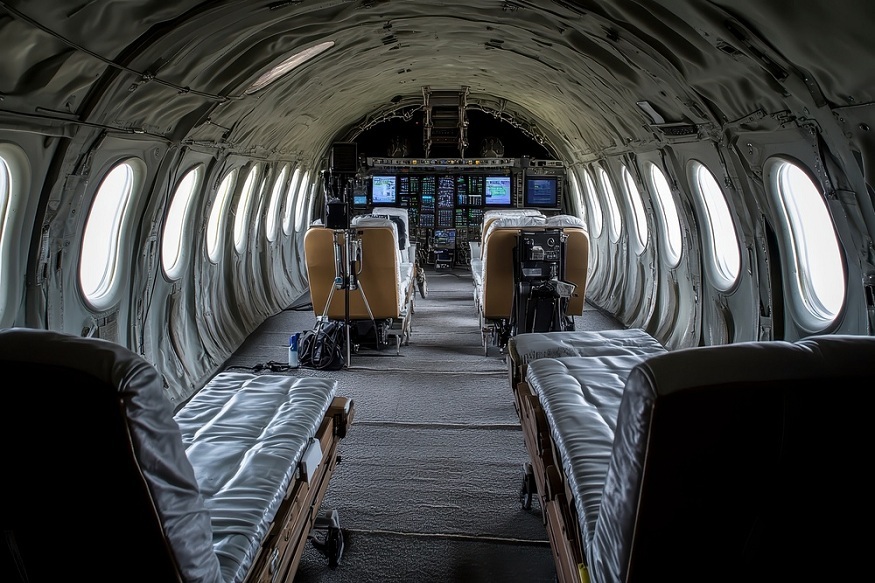
Can One Air Medical Interior Really Handle Multiple Mission Types?
A single cabin that can pull off a hospital transfer in the morning and a mountain rescue by afternoon does not just happen. It gets built that way on purpose. The trick is designing for change from the very start, instead of forcing one setup to stretch into jobs it was never meant to do.
Why One Aircraft Wears Many Hats
Most operators do not have the luxury of a separate aircraft for every kind of call. That would cost a fortune. So one airframe has to cover a lot of ground. One flight might be a careful transfer of a stable patient between hospitals. The next might be a frantic pickup from a highway crash. Each mission asks for something different. Different gear, different layout, different pace. The cabin must handle everything without slowing the crew. It’s a tough task for an area smaller than most bedrooms.
The Magic Word Is Modular
Here is how it actually works. Instead of bolting everything down for good, smart interiors use parts that swap in and out. Think of mounts that accept different devices. Rails that let a crew slide equipment where they need it. Bases that hold one type of stretcher today and another tomorrow. Modular means the cabin is not locked into a single job. Swap some parts, and the aircraft moves between missions within minutes. That flexibility is invaluable when calls keep coming.
Read More: One Simple Switch, Less Waste, Better Routine
What Stays and What Changes
Some things need to stay put. Power and oxygen lines, for example, should already be running through the cabin, ready and waiting. You do not want to be rerouting oxygen mid-shift. That part is fixed on purpose. Then there is the stuff that moves. Monitors, pumps, seats, and stretcher mounts can all be reconfigured to fit the mission. The best designs draw a clear line between the two. The backbone remains solid. The gear stays loose. Together they give crews a cabin that bends without breaking.
Read More: The Modern Healthcare Maze: Finding Security in a Fragmented World
Weight and Safety Still Rule
Flexibility sounds great until you remember the aircraft is watching every pound. A cabin loaded with extra brackets and adapters for every possible job gets heavy fast, and heavy eats into range and fuel. So the goal is not to cram more in . It is to make each part do double or triple duty. Safety cannot slide either. Every configuration has to lock down tight, because a device that shakes loose in turbulence is a real danger. A truly good multi-mission interior stays just as secure whether it is set up for a gentle transfer or a rough field pickup. No shortcuts there.
How to Judge the Options
Not every interior handles this well, so it pays to look closely before committing. When operators sit down to compare best air medical equipment alternatives, they tend to notice pretty quickly which systems were built for real flexibility and which just claim to be. This is where LifePort has earned a strong reputation. The company designs interiors that shift between mission types cleanly, keeping the fixed backbone rock solid while letting the gear move where crews need it. The result is one cabin that honestly does the work of several. Ask the right questions. How fast does it reconfigure? Does it stay light? Does everything lock down for every mission? The answers separate the real deal from the pretenders.
Conclusion
One interior can absolutely handle multiple mission types. The secret is planning for it upfront, not patching it in later. Build a strong, fixed core. Keep the gear flexible. Watch the weight, and never bend on safety. Do that, and one cabin covers them all.
Leave a Reply
You must be logged in to post a comment.